Unveiling the Ascot Pie: A True British Culinary Gem
In the rich tapestry of British cuisine, certain dishes stand out not just for their flavour, but for the history and tradition baked into every bite. Among these cherished classics is the Ascot Pie, a name that evokes images of sophisticated gatherings, wholesome goodness, and generations of culinary craftsmanship. More than just a simple snack, an Ascot Pie represents a timeless tradition, offering a delightful fusion of seasoned British pork, robust pastry, and a sealing of savoury gelatine. If you've ever wondered about the allure of this iconic pork pie, or how it earned its esteemed place on tables across the UK, you're in for a treat.
Often encountered at local butchers, specialist food shops, and even as a centrepiece for family feasts, the Ascot Pie is a testament to the enduring appeal of quality ingredients and time-honoured methods. Its journey from a humble local delicacy to a widely celebrated item is a story of dedication to flavour and texture. While some variations exist, the true spirit of the Ascot Pie lies in its commitment to a particular profile: savoury, satisfying, and undeniably British.
What Exactly is an Ascot Pie? Unpacking a British Classic
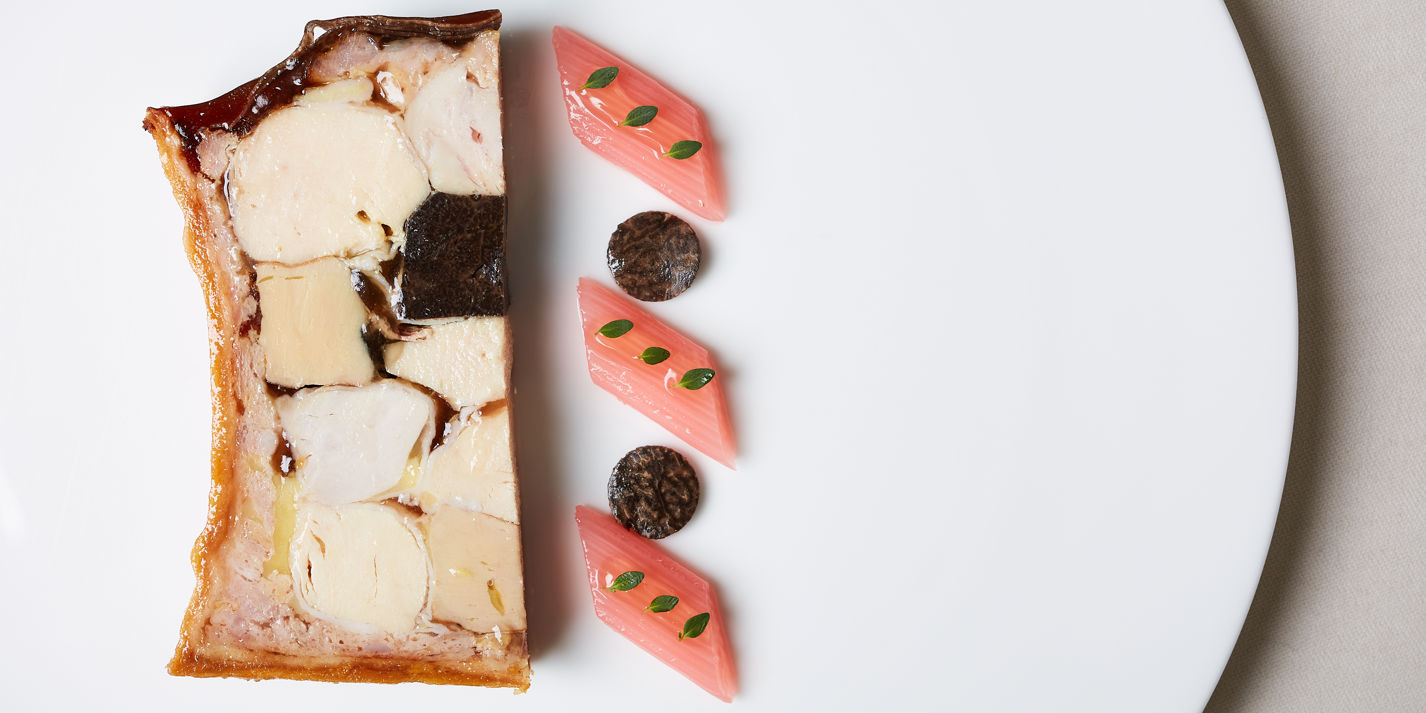
At its heart, the Ascot Pie is a quintessential British pork pie, but with a character all its own. Forget generic, mass-produced versions; an authentic Ascot Pie is a work of art, a carefully constructed delight. It typically features:
- Seasoned Pork Filling: The star of the show. This isn't just any pork; it's a meticulously prepared and seasoned mix, often using high-quality British pork. The seasoning is crucial, contributing to a rich, savoury depth that defines the pie's flavour profile. Expect a delightful blend of herbs and spices that complement the natural taste of the pork without overpowering it.
- Crisp Water Pastry: The casing for this delicious filling is a robust, crisp water pastry. Unlike a flaky shortcrust, water pastry is traditionally made with hot water and lard (or sometimes butter), creating a sturdy yet tender crust that can hold its shape even when sliced. This unique pastry is strong enough to contain the meat and gelatine, yet yields beautifully to the bite, offering a satisfying texture contrast.
- Savoury Gelatine Seal: A signature element of many traditional British pork pies, including the Ascot Pie, is the layer of gelatine found between the meat filling and the pastry crust. This isn't merely for aesthetics; the gelatine serves several vital functions. It keeps the pork moist, adds to the overall savoury flavour, and acts as a natural preservative, sealing in freshness and preventing air from drying out the filling. It's often made from a rich pork stock, solidifying into a clear, wobbly layer that is both delicious and integral to the pie's character.
The combination of these elements creates a culinary experience that is both comforting and sophisticated. The expertise involved in crafting such a pie often spans decades, with local pie makers honing their skills over 50 years or more, ensuring each pie lives up to its traditional reputation. This dedication to craft is what truly sets a premium Ascot Pie apart.
The Craft Behind the Crust: Why Traditional Methods Matter
The journey from raw ingredients to a perfectly baked Ascot Pie is one steeped in tradition and skill. The emphasis on "local pie makers" with "over 50 years of expertise" isn't just marketing; it speaks to a profound understanding of the nuanced processes required to achieve excellence. Here’s why traditional methods are non-negotiable for a truly authentic Ascot Pie:
The Art of Water Pastry
Crafting the perfect water pastry is an acquired skill. The dough must be supple enough to be moulded around the filling by hand (or with traditional pie dollies), yet robust enough to withstand baking without crumbling. The hot water and fat combination creates a dough that, when cooled, becomes incredibly strong and resistant to moisture, preventing the savoury juices and gelatine from making the crust soggy. This unique texture is a hallmark of the traditional British pork pie and crucial for the integrity of an Ascot Pie. It’s a delicate balance of flour, fat, and hot liquid, requiring a skilled hand to achieve the ideal consistency.
Mastering the Seasoning
The flavour profile of the seasoned pork mix is another area where expertise shines. It's not about overwhelming the pork with spices, but enhancing its natural richness. Traditional recipes often call for a blend of white pepper, nutmeg, mace, and sometimes sage, carefully balanced to create a robust yet harmonious taste. Achieving this balance consistently, batch after batch, is a testament to the pie maker’s experience. The pork itself, ideally from British farms, contributes significantly to the final taste, providing a superior texture and flavour that cheaper alternatives simply cannot match.
The Gelatine's Role: More Than Just a Seal
While often overlooked by the casual consumer, the gelatine layer is a vital component. As mentioned, it moistens the meat and acts as a preservative, but it also adds a unique mouthfeel and a subtle layer of additional savoury flavour. A well-made gelatine, derived from rich pork stock, melts in the mouth, complementing the firmness of the pork and the crispness of the pastry. It’s a sign of a high-quality, traditionally made pie. The absence of gelatine, or a poorly made one, significantly detracts from the authentic Ascot Pie experience.
These detailed processes highlight why a genuine Ascot Pie is much more than the sum of its parts. It's a culinary heritage passed down through generations, ensuring that each bite delivers a taste of authentic British tradition. For those eager to delve deeper into the rich history and variations of this beloved dish, exploring resources like Ascot Pie - Article 1 can offer further insights.
Serving Suggestions and Culinary Versatility
One of the most appealing aspects of the Ascot Pie is its incredible versatility. Described as a "classic as a snack or part of a feast," it truly excels in a multitude of settings. Its convenient nature, often sold as a "cut pie" in ready-to-eat portions, makes it an ideal choice for various occasions.
As a Delightful Snack
For a quick, satisfying bite, a slice of Ascot Pie is hard to beat. Its robust flavour and firm texture make it perfect for:
- Lunchboxes: A hearty and delicious alternative to sandwiches, offering sustained energy.
- Picnics: Easily transportable and maintains its integrity, even on the go. Pair it with a simple green salad or some crisp pickles.
- Mid-Afternoon Treat: A substantial snack that wards off hunger until dinner.
Consider serving it at room temperature, which allows the intricate flavours of the seasoned pork and gelatine to truly shine. A dollop of good quality chutney or a spoonful of strong English mustard can elevate the experience further.
A Centrepiece for a Feast
But don't relegate the Ascot Pie solely to snack status. It shines equally brightly when presented as part of a larger meal or spread:
- Buffet Spreads: Its impressive appearance and easy-to-slice nature make it perfect for parties, gatherings, and celebrations. Arrange slices alongside other cold meats, cheeses, and salads for a truly British spread.
- Ploughman's Lunch: A traditional British ploughman's lunch typically features bread, cheese, pickles, and cold meat. An Ascot Pie slice is a sophisticated and flavourful addition, making the meal more substantial and enjoyable.
- Casual Dinners: Serve a generous slice with a fresh green salad, new potatoes, and perhaps some coleslaw for a simple yet incredibly satisfying dinner.
The Ascot Pie’s ability to transition seamlessly from a simple snack to a sophisticated component of a larger feast speaks volumes about its enduring appeal. It's a food that brings people together, offering comfort and flavour in equal measure.
Navigating the World of Ascot Pies: What to Look For
With the growing popularity of traditional British foods, it's important to know what to look for when choosing an Ascot Pie to ensure you're getting an authentic and high-quality product. Not all pies are created equal, and discerning consumers can easily spot the difference.
Quality Ingredients are Key
The first indicator of a superior Ascot Pie is the provenance of its ingredients. Look for products that proudly state they use British pork. This not only supports local agriculture but often signifies a higher standard of animal welfare and flavour. The seasoning should be evident but balanced, not overwhelmingly salty or artificial.
Examine the Pastry and Gelatine
A good water pastry should be crisp, golden-brown, and hold its shape perfectly. Avoid pies with soggy or crumbly crusts, as this can indicate poor construction or ingredients. The gelatine, when present, should be clear, firm, and complement the meat, not dominate it. Its presence is a strong sign of traditional craftsmanship. Some producers, like those making a "Joseph Morris Ascot Pork Pie (No Egg)," specifically highlight the absence of egg for various reasons, which can be a key differentiator for some consumers. If this is a concern, always check the ingredient list.
Seek Out Artisanal Makers
As highlighted in our references, many of the best Ascot Pies come from local pie makers with decades of experience. Seek out butchers, independent grocers, or specialist food stores that source from such artisans. Their dedication to craft often results in a product far superior to mass-produced alternatives. These establishments often have a reputation to uphold and a deep understanding of what makes a great traditional pie.
Check for Freshness
While gelatine acts as a preservative, a fresh Ascot Pie will always taste best. Check the best-before date and ideally purchase from outlets that have a good turnover of stock. A fresh pie will have a more vibrant flavour and a more appealing texture. If you're exploring different types of traditional British pies and want to compare, our insights in Ascot Pie - Article 3 might be very helpful.
The Enduring Appeal of a Simple Pleasure
The Ascot Pie, in all its seasoned pork, crisp pastry, and savoury gelatine glory, is more than just a culinary item; it's a piece of British heritage. Its enduring appeal lies in its simplicity, quality, and the comforting familiarity it offers. Whether enjoyed as a quick lunch, a picnic staple, or the star of a grand feast, it consistently delivers satisfaction. As we've explored, the true beauty of an Ascot Pie lies in the artisanal skill, quality ingredients, and traditional methods that converge to create this iconic British delicacy. So, the next time you encounter an Ascot Pie, take a moment to appreciate the centuries of culinary wisdom and dedicated craftsmanship packed into every delicious bite. It's an experience not to be missed.
Explore more about the fascinating world of traditional British pies and their unique stories across our articles.